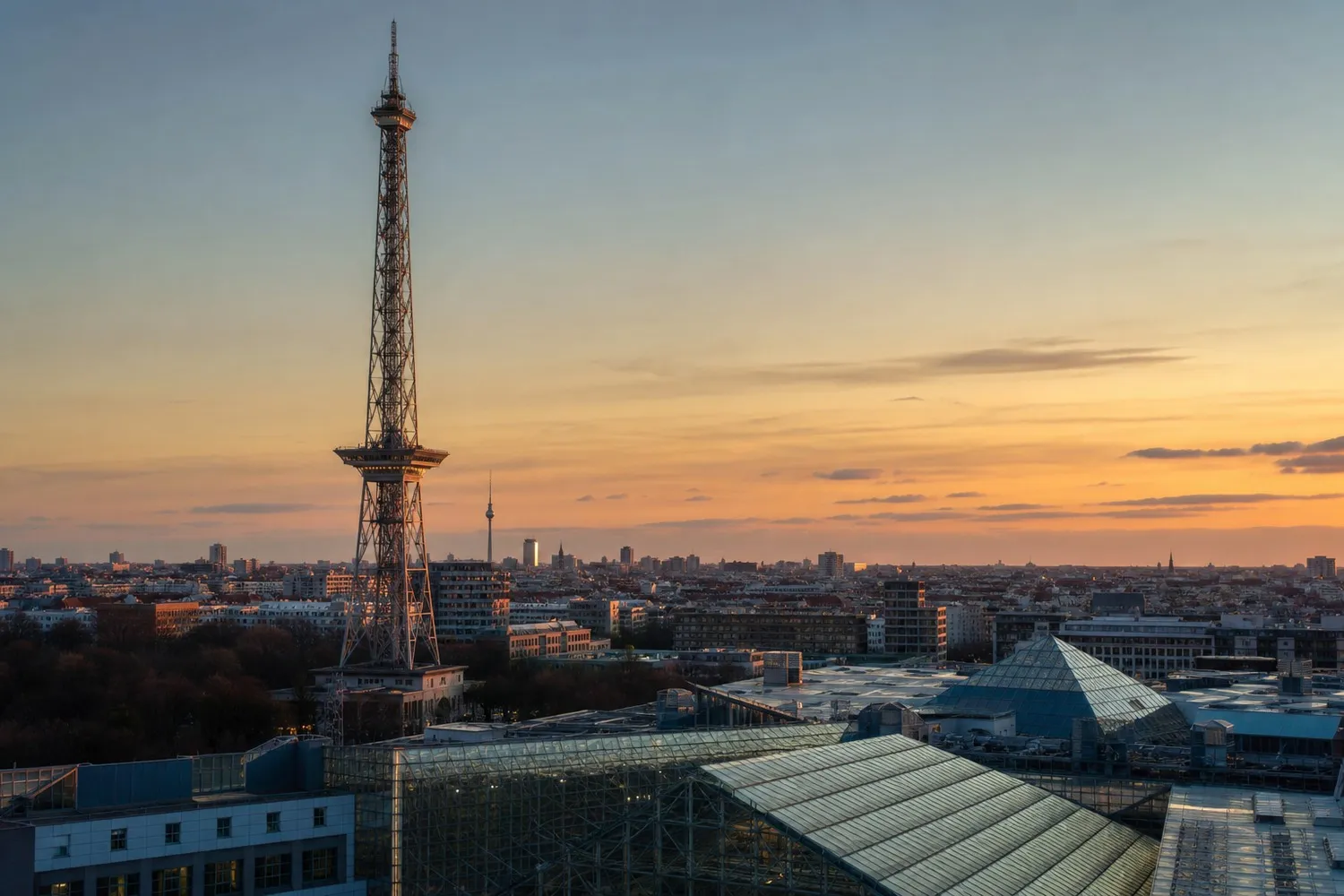
This September I’ll be at IFA Berlin, the world’s biggest consumer tech show, taking notes and shaking hands. The venue is Messe Berlin, a 20-minute S-Bahn ride from my apartment. That geography helps. But convenience isn’t the real reason I’m going.
I run a portfolio of niche websites. PhotoWorkout, my main one, covers cameras and photography gear for people who take their craft seriously. Mappr covers travel and geography. RankingHacks covers SEO. What connects them is that they’re all publications, and publications live or die by whether they can produce coverage that generative AI cannot easily replicate.
IFA is where I get some of that raw material. The rest of this post is my working list for the trip: what I want to see, which halls I’ll spend time in, and what I’m hoping to walk away with. Consider it half planning document, half accountability.
Why IFA matters for a niche publisher
There is a genuine content problem in 2026. AI can now write a competent buyer’s guide from a spec sheet in about fifteen seconds. It cannot walk the floor of a trade show, ask a product manager a follow-up question, or notice the small design change on a lens mount that the press release skips over. First-hand reporting has become the moat.
For a small publisher that moat is what keeps traffic, ad revenue, and search visibility alive as Google and the LLMs increasingly answer basic questions directly. My PhotoWorkout readers do not need me to summarize a spec sheet. They can ask an AI for that. They come to us for opinions grounded in actual hands-on experience.
IFA gives me that in three days of walking, one after another: the new drones, the mobile flagships pretending to be cameras, the portable printers that keep finding new form factors, the audio gear that increasingly targets creators. I’ll leave with notes, product photos, quotes, and enough context to publish original coverage for months.
There is also a specific pressure I feel as a photography publisher. Camera reviews used to be a stable, evergreen content type: buy the gear, test it, publish, watch traffic compound over time. That model is under real strain now. Amazon’s product pages summarize themselves. Google’s AI Overviews answer “which camera should I buy” without ever sending a click to a review site. If I want PhotoWorkout to still be a business in five years, the coverage has to move to places AI does not yet reach: the room where the product is unveiled, the questions to the engineer that were not in the press release, the honest opinion after actually shooting with the thing.
What I’m most looking forward to
Drones and action cameras. DJI usually has a September window for consumer launches, and the rumor mill is pointing at a new Osmo or Pocket refresh, possibly a Mavic update. Insta360 has an even more predictable fall cadence and something in the Ace or One RS line seems overdue. For PhotoWorkout, action cams and drones are the fastest-growing category in reader interest, so any first-hand time here goes a long way.
Portable and instant printers. This category has quietly turned into one of the more interesting corners of consumer photography. Fujifilm’s Instax lineup, Canon’s Selphy, HP’s Sprocket, and a handful of Chinese entrants have all been iterating fast. IFA is a natural place to see the 2026 and 2027 crop side by side and get a sense of what to review next.
Higher-end cameras. IFA is not traditionally the biggest camera announcement venue. The Big Three usually save their heavy hardware for their own events. There is often meaningful adjacent news though: lens roadmaps, firmware surprises, third-party mount partners, and studio gear. I’ll spend time with any brand that shows up in the imaging halls.
Mobile as a camera. Samsung typically uses IFA for a Galaxy hardware moment, and Xiaomi and Motorola frequently launch flagships here. The line between phone and camera keeps getting blurrier, and honest coverage of that shift is one of the higher-value things PhotoWorkout can publish in 2026.
Audio and lighting for creators. Rode, Sennheiser, Shure, Godox, Elgato, and Nanlite have all been treating IFA as an important stop. Content creation is a huge chunk of my audience overlap across sites, and the accessory market moves faster than the camera market. Seeing new mic booms and portable LED panels in person is worth the walk.
My exhibitor shortlist
Here is the working list, grouped. Some brands are confirmed on the IFA 2026 exhibitor database, others are inferences from prior years and current announcements. I’ll refine it closer to the show.
Imaging, display, and computing (confirmed presence)
- Panasonic (Hall B, booths R4 to R6) for camera and Lumix news
- Acer for creator laptops and monitors
Drones and action cameras (likely)
- DJI
- Insta360
- GoPro
- Autel Robotics
Portable and instant printing (likely)
- Fujifilm (Instax)
- Canon (Selphy line)
- HP (Sprocket)
- Kodak-branded photo hardware
Mobile, imaging phones, and creator laptops (traditional IFA territory)
- Samsung (Galaxy hardware)
- Xiaomi
- Motorola
- Honor
- ASUS (ProArt and ROG)
- MSI (Creator series)
- Lenovo (Yoga and Legion)
Audio for creators (traditional IFA presence)
- Sennheiser
- Rode
- Shure
- Beyerdynamic
- JBL
- Bose
Storage and workflow
- Samsung SSDs
- SanDisk and WD
- Lexar
- Sabrent
Lighting and studio
- Godox
- Aputure
- Elgato
- Nanlite
I’ll publish a full annotated list on PhotoWorkout after the show with the actual halls, booth numbers, and specific launches I ended up covering.
Creator Hub: the professional development thread
The other thread is Creator Hub, IFA’s dedicated space for tech and lifestyle content creators. It sits inside the Palais am Funkturm, and IFA has been building it out with streaming studios, masterclasses, brand product demos, and structured networking. The programme runs on tiered access (Influencer Club for smaller creators, Ambassador Programme for larger accounts), and the on-site schedule is typically released closer to the event.
I care less about the specific sessions and more about the room itself. The creators showing up there this year will be figuring out the same problem I am: how to build a discoverable, monetizable content operation when generative AI is compressing the middle of the market and platform algorithms are rewarding shorter and stranger formats. Even a handful of good conversations there would justify the trip.
The specific questions I want to explore are practical ones. How are mid-tier creators responding to declining organic reach on YouTube and Instagram? Which newsletter platforms are actually working for niche publishers in 2026? Are LLM-based answer engines starting to send meaningful referral traffic yet, and if so, what does the content need to look like to earn a citation? These are the questions I cannot get useful answers to from a keyword tool, and they are exactly the sort of thing that gets answered in a hallway conversation.
What I’ll bring back
Concretely, I plan to walk away with:
- A batch of PhotoWorkout news posts covering the launches most relevant to our readers
- Hands-on impressions of any hardware I got to touch, published across PhotoWorkout and SampleShots
- A follow-up post here with the actual halls I visited and the industry trends worth watching in Q4
- A better read on where the creator economy is heading in 2026 and 2027
If you’re at IFA too and want to meet, my email is in the About page. Otherwise see you in the recaps.